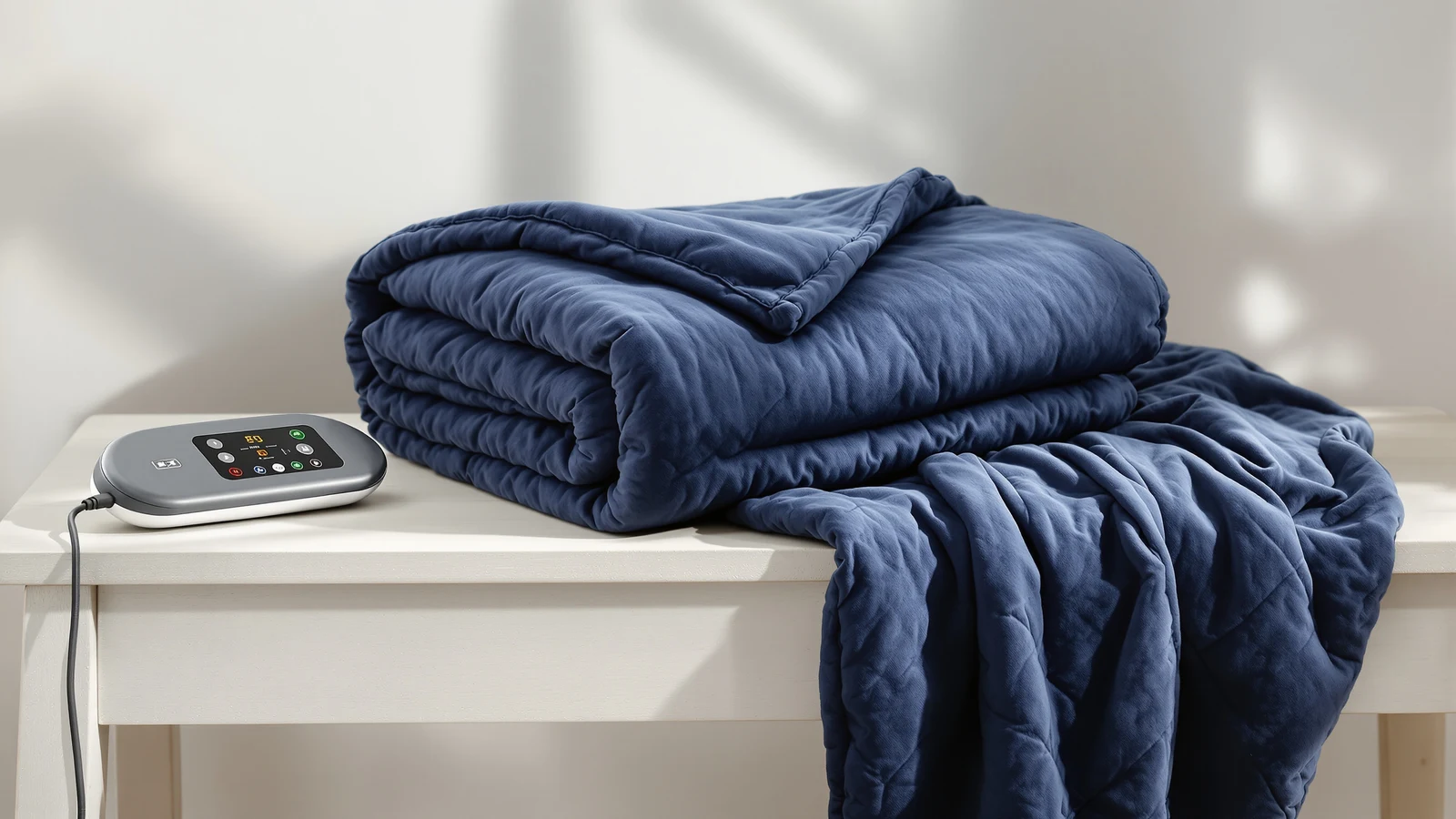
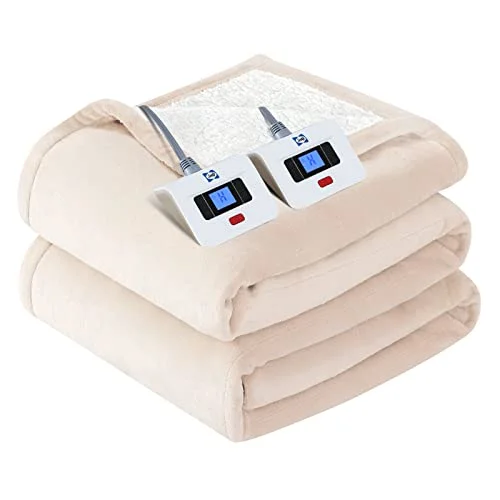
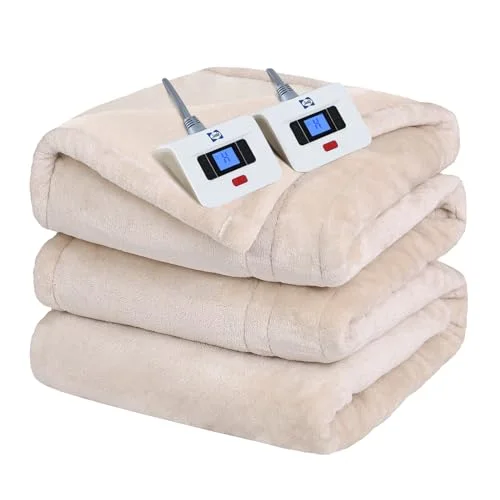
"Dual Control" in the Sealy blanket's own title is a specific, checkable claim: each sleeper gets an independent controller, which is the real fix for the most common complaint about a shared heated blanket — one person too warm, one person too cold, one shared dial that can't satisfy both. The product photos back the title up, showing two separate backlit units, each with its own cord and its own on/off indicator. Auto shutoff is also named directly in the title, though the listing we're working from doesn't give us the specific number of hours behind it; if that interval matters to how you sleep, our guide to how heated-blanket auto-off timers actually work explains why the duration, not just the presence of a shutoff, is the detail worth confirming before you buy.
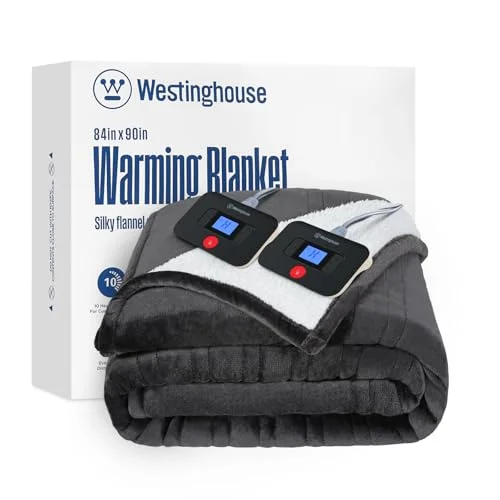
The Westinghouse listing doesn't use the word "dual" anywhere in the title we have, so we're not crediting it with that feature even though its own box photography happens to show two controller units as well. That might mean the Westinghouse blanket also splits into two zones and the title simply doesn't say so, or it might mean the second controller pictured is packaging stock art rather than a confirmed feature of this specific listing. Either way, the rule we hold every product on this site to applies here too: a spec that isn't stated in writing doesn't get assumed into a product's favor just because a photo seems to suggest it. We'll describe what the title says, not what the box art implies.
Heat-level counts are the more surprising gap. Our budget-tier research found even anonymous $21.99 sellers naming a specific heat-level count in their titles — five levels, sometimes with a stated temperature range. Neither of the two listings in this guide gives us a heat-level number at all, despite sitting three to five times higher in price. That's worth sitting with: a higher price tag in this category tracks a recognizable brand and a couple of named features far more reliably than it tracks how much the listing actually discloses. More money doesn't automatically mean more published detail, and in this comparison, it's the cheaper budget throws that are more specific about settings, not the premium ones.