On a sofa, preheat is almost entirely about the first few minutes. You sit down, you are cold, and you want the blanket to feel warm before the show you are watching gets through its opening credits. The fast-heating phase does real work here, and because a sofa session is short and actively supervised — you are awake and able to reach the controller — the hold phase that follows matters less precisely. If the hold level ends up slightly off, you notice immediately and can adjust it yourself, a safety net you do not have while asleep.
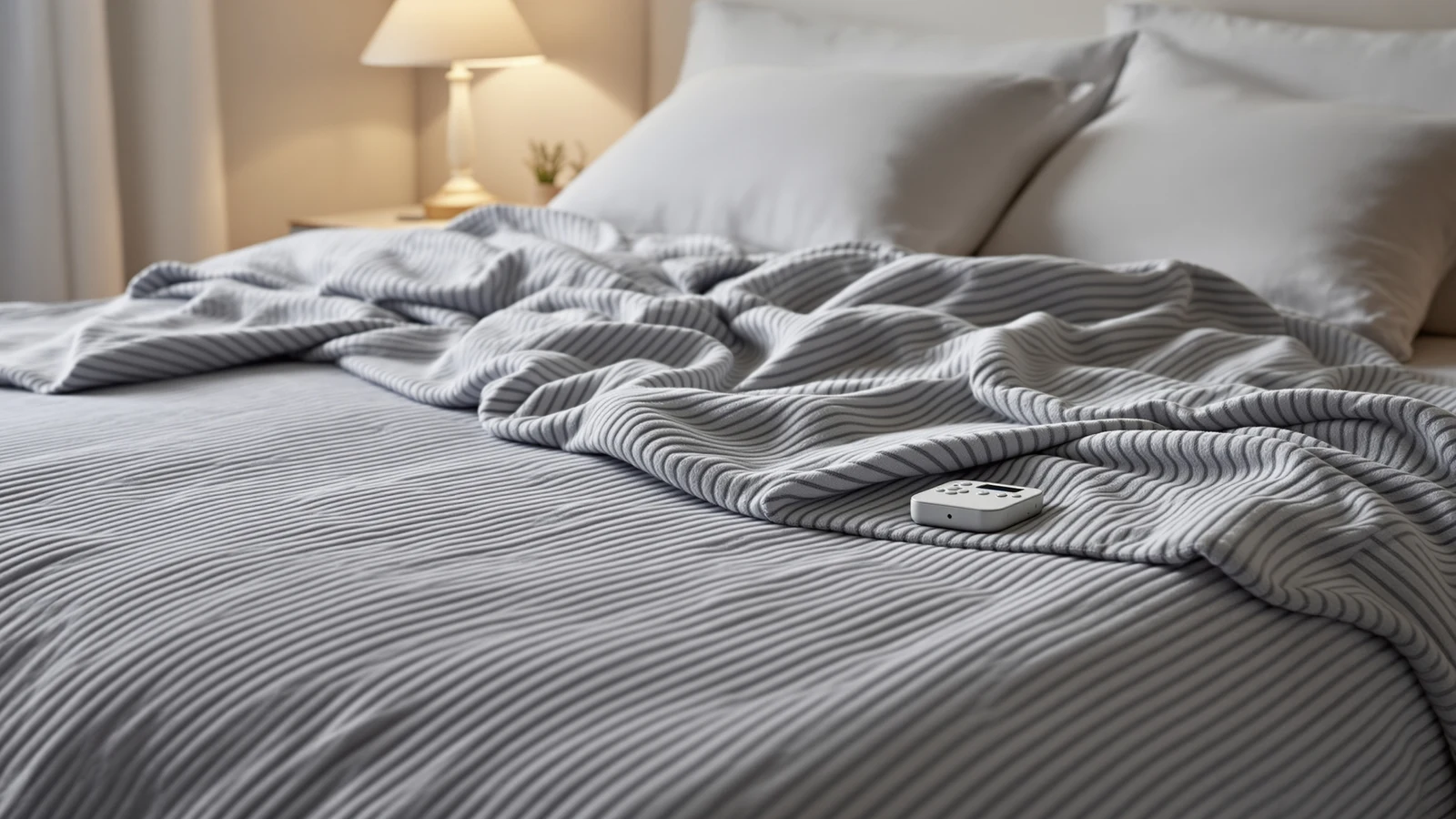
On a bed, the priorities flip. The preheat phase is there to make the bed itself warm before you get in, a different job from warming a person already sitting under the blanket. The twin blanket's stated two-hour-at-level-six phase, timed ahead of an eight-hour sleep, is built around that exact use case: switch it on before you finish your evening routine, and by the time you climb in, the bed has already done its hot phase and is moving into, or already sitting in, the long hold. Unlike the sofa, you are not awake to correct a hold level that turns out wrong, which is why the hold half of a bed-oriented cycle is deliberately set lower and longer rather than hot and short.
This is also where blanket size and bed size start to matter more than preheat itself. A twin-sized electric blanket is built to cover a twin mattress specifically, a different proposition from a 50×60-inch throw spread over a larger bed and leaving cold edges exposed. If you are shopping for a twin or dorm-sized bed, our roundup on the best heated blankets for a twin or dorm bed goes further into coverage and sizing than this guide does. And because an overnight hold means the blanket runs for hours while you are unconscious and not checking it, read our note on whether heated blankets are safe to sleep with before you settle on an overnight routine.